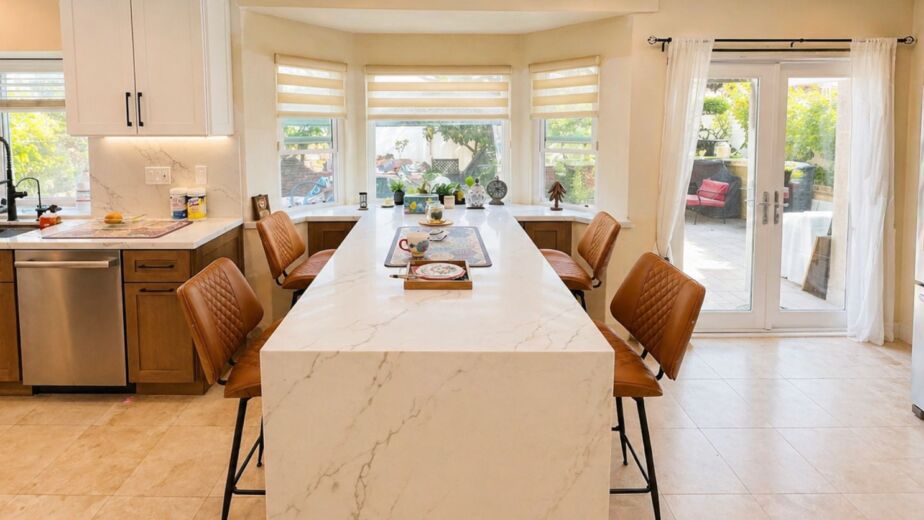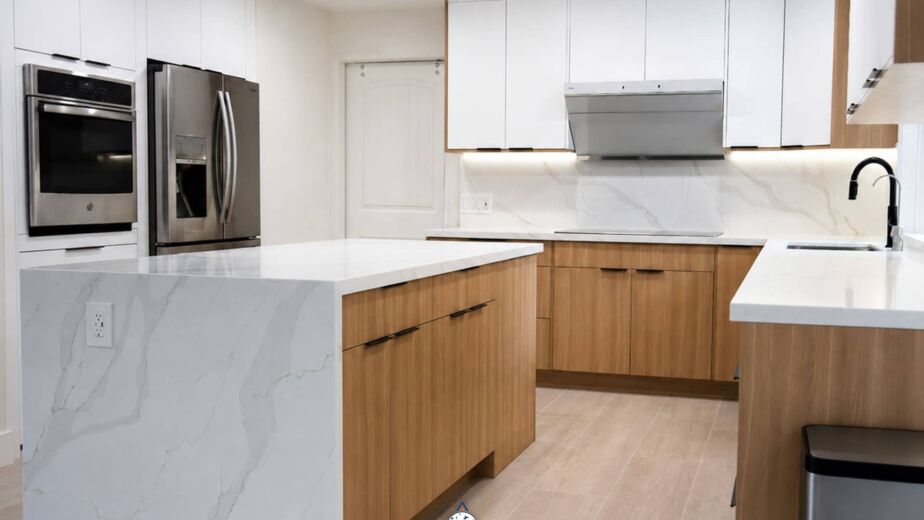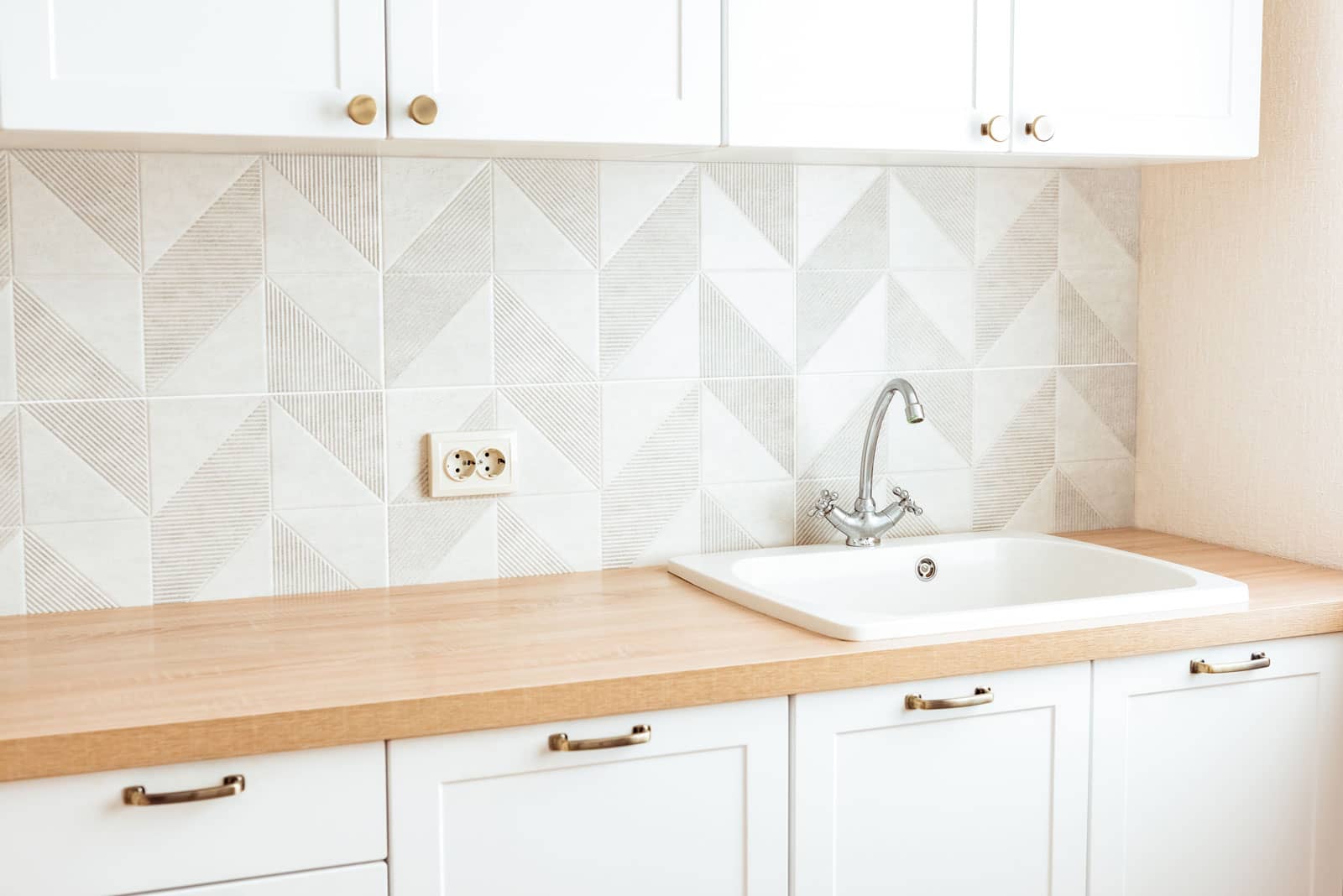
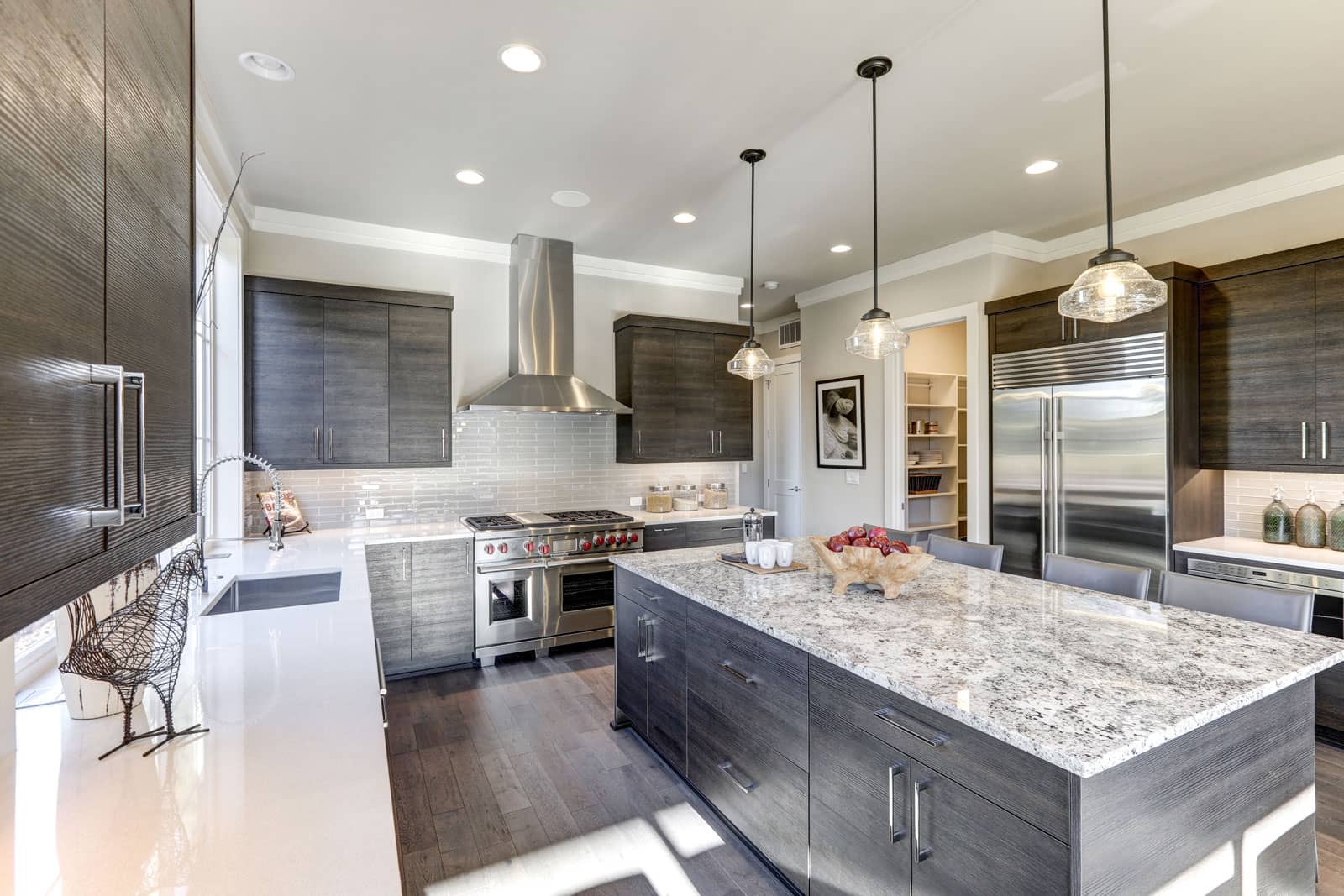
If you’re planning a renovation, one question tends to keep homeowners up at night: what is the most expensive part of a kitchen remodel? It’s a smart thing to ask before you sign a single contract, because the answer determines where the bulk of your money goes – and where you have the most power to control your budget.
Here at Mars Brothers Kitchen & Bath, we’ve been remodeling kitchens for families across Tustin, Irvine, and Orange County for years. We’ve stood in hundreds of half-finished kitchens, itemized bids line by line, and watched budgets both soar and stay grounded. So instead of giving you a vague “it depends,” we’re going to walk you through exactly where every dollar of a kitchen remodel typically lands, why one category consistently costs the most, and how a little strategy up front can save you thousands.
Let’s break it all down honestly.
The Short Answer: What Is the Most Expensive Part of a Kitchen Remodel?
For the vast majority of renovations, the most expensive part of a kitchen remodel is the cabinetry. Cabinets typically eat up 30% to 40% of your total kitchen remodel budget – nearly a third of every dollar you spend on the entire project.
Here’s the quick hierarchy of kitchen remodel costs, ranked from most expensive to least:
- Cabinets – usually 30–40% of the budget (the clear leader)
- Labor and installation – often 20–35%, and it can rival materials on complex jobs
- Countertops – roughly 10–15%, depending on the material you choose
- Appliances – around 15–17% for a standard suite, far more for luxury brands
- Flooring, lighting, plumbing, electrical, and finishes – the remaining slice
If you remember nothing else about the cost of a kitchen renovation, remember this: cabinets and labor together frequently consume up to 70–75% of your entire budget. Everything else – countertops, appliances, flooring, backsplash, and fixtures – competes for what’s left.
Now let’s look at why that’s the case, and what it means for your wallet.
Kitchen Remodel Cost Breakdown: Where Every Dollar Goes
Understanding the full kitchen remodel cost breakdown is the single best thing you can do before you start. When you know how the budget distributes across categories, you stop being surprised and start making informed trade-offs.
Here’s how a typical mid-range project shakes out, with real Orange County pricing from what we’re seeing in the current market. Keep in mind that Southern California labor and materials generally run 20–30% higher than national averages, thanks to our building codes, permit requirements, and cost of living.
Cabinetry: The Undisputed Budget Heavyweight
Cabinets are the most expensive part of a kitchen remodel because they do the most work. They’re the largest physical fixture in the room, they define the entire look of the space, and they take a daily beating from cooking, cleaning, and family life. You’re not just paying for boxes and doors – you’re paying for quality materials, precision engineering, and skilled installation.
In Orange County, cabinet costs break down roughly like this:
- Stock cabinets: $5,000 – $12,000 – pre-made, limited sizes and finishes, budget-friendly and functional
- Semi-custom cabinets: $12,000 – $25,000 – more finish options, better sizing flexibility, higher-quality construction
- Custom cabinets: $25,000 – $50,000+ – built to your exact specifications with premium materials and unlimited design options
Priced by the linear foot, prefabricated lines typically run $150–$300 installed, while custom cabinetry generally starts around $250–$400+ per linear foot. For most homeowners we work with, semi-custom cabinets hit the sweet spot – they look nearly identical to bespoke work but cost meaningfully less.
Mars Brothers Pro Tip: Before you fall in love with a cabinet line, get your cabinet quote first. It’s the biggest cost driver in the entire project, so it anchors every other decision. If the cabinet number comes in high, you’ll know immediately where you have room to adjust on countertops, appliances, or finishes.
Labor and Installation: The Cost That Hides Behind the Walls
If cabinets are the heavyweight on the materials side, labor is the quiet giant that surprises almost everyone. Labor and installation frequently make up 20–35% of a total kitchen remodel – and on complex projects, the cost of skilled trades can rival the cost of materials themselves.
Here’s what you’re actually paying for when you hire a professional team: demolition, carpentry, cabinet installation, licensed electricians bringing wiring up to code, master plumbers routing water and gas lines, tile setters, drywall, paint, and finish carpentry. A useful budgeting rule is that in a full kitchen renovation, labor and material costs often land close to equal.
In a high-demand market like Orange County, labor is a significant factor precisely because skilled tradespeople are in short supply and California’s licensing standards are strict. That’s not a downside – it’s protection. A licensed, insured contractor gives you real recourse if something goes wrong.
Countertops: The Second Surprise
Countertops are both a visual centerpiece and a hardworking surface, which is why they command a real chunk of the budget. In Orange County, installed countertop pricing commonly spans $50–$150 per square foot, and a full countertop scope usually runs $5,000–$20,000 depending on material, slab count, and edge complexity.
Here’s where material choice swings your budget hard:
- Laminate: $10–$25 per square foot – budget-friendly, limited in style
- Quartz (engineered): around $70–$100 per square foot – durable, low-maintenance, huge color range
- Granite: mid-to-high pricing – timeless, heat-resistant, natural variation
- Quartzite and marble: premium territory – stunning movement, but higher cost and more maintenance
Quartz has become the go-to for many of our Tustin and Irvine clients because it balances beauty and practicality – it resists scratches, stains, and heat without the sealing that natural stone demands.
Appliances: The Flexible Line Item
Appliances are one of the most flexible categories in your entire kitchen remodel budget, which is good news for anyone trying to control costs. A solid mid-tier appliance package in Orange County often starts near $8,000, while professional-grade or luxury configurations – think built-in refrigeration, panel-ready dishwashers, and pro ranges – can readily exceed $25,000.
The beauty here is that you can dial appliances up or down without compromising the bones of your kitchen. A mid-range suite handles everything a family needs, and you can always upgrade individual pieces later.
Mars Brothers Pro Tip: Shop appliances during major sale events, and don’t overlook floor models. We’ve seen homeowners save hundreds – sometimes thousands – on a fridge or range simply by timing the purchase. Just confirm dimensions and finishes before you commit, so everything fits the cabinet openings we’ve built for it.
Flooring, Lighting, and the Finishing Touches
The remaining categories are smaller individually but add up quickly. In Orange County, kitchen flooring typically costs between $3,000 and $8,000. Luxury vinyl plank (LVP) at $4–$8 per square foot has become the most popular choice – it’s waterproof, durable, and mimics real hardwood. Porcelain tile runs $8–$15 per square foot as a premium option.
Then there’s lighting, hardware, the backsplash, paint, and fixtures. Cabinet knobs and pulls alone can range from a couple of dollars to hundreds per piece. Statement pendant lights can run $200 to well over $1,000 each. None of these individually rivals cabinets, but collectively they shape both the function and the finished feel of the room.
And don’t forget permits. If your remodel involves structural changes, electrical upgrades, or plumbing modifications, permit costs in Orange County range from $500 to $3,000, with architectural plans and engineering drawings adding $2,000 to $5,000 more.
Why Cabinets Are the Most Expensive Part of a Kitchen Remodel
We’ve established that cabinets are the most expensive part of a kitchen remodel – but understanding why helps you make smarter choices. Three factors drive cabinet costs up more than anything else.
Stock vs. Semi-Custom vs. Custom Cabinets
The single biggest variable in your cabinet budget is which tier you choose:
- Stock cabinets are mass-produced in standard sizes. They’re the most affordable route and perfectly functional, but you’re limited on dimensions and finishes.
- Semi-custom cabinets offer far more flexibility in size, finish, and features while staying meaningfully below custom pricing. This is the value sweet spot for most Orange County kitchens.
- Custom cabinets are built to your exact specifications – any wood species, any finish, any internal hardware. They command a premium that scales with every upgrade.
What Actually Drives Cabinet Prices Up
Beyond the tier, these details push cabinet costs higher:
- Wood species and finish: Exotic hardwoods and hand-applied finishes cost far more than painted MDF or standard oak.
- Internal hardware and organization: Soft-close hinges, roll-out trays, pull-out pantries, and drawer organizers add up fast.
- Cabinet count and configuration: Upper cabinets are expensive because each one needs a box, doors, hinges, and hardware. Taller ceilings and stacked cabinets multiply that.
- Decorative details: Crown molding, glass inserts, and custom fillers to achieve a seamless built-in look all add cost.
This is also the category where cutting corners tends to create regret fastest. Cabinets are one of the longest-lasting features in your home, and low-quality boxes reveal themselves within a few years of daily use.
Labor: The Hidden Half of Your Kitchen Renovation Budget
Because labor is invisible in a way that a gorgeous quartz slab isn’t, it’s the part of the budget homeowners most often underestimate. But skilled labor is exactly what separates a kitchen that looks great on day one from a kitchen that still works flawlessly a decade later.
Why Moving Your Layout Blows the Budget
Here’s the biggest single factor that drives labor costs up: changing your kitchen’s layout. Moving the “footprint” of your kitchen is the fastest way to balloon your budget.
It sounds simple to say, “Let’s move the sink to the island” or “Let’s swap the range and the refrigerator.” But behind the walls, those moves mean rerouting plumbing stacks, running new gas lines, adding electrical circuits, and often patching drywall and flooring. According to industry cost data, moving plumbing can add anywhere from $1,500 to $15,000, electrical relocations $500 to $3,000, and gas line modifications several hundred dollars each – and that’s before the added permit and inspection costs.
Mars Brothers Pro Tip: The golden rule of budget control is to keep your sink, range, and refrigerator in their existing locations whenever the layout already works. By avoiding plumbing and electrical relocation, you save thousands in rough-trade labor – money you can redirect toward nicer countertops, better cabinets, or upgraded lighting.
Countertops and Materials: Granite, Quartz, and Beyond
While cabinets and labor claim the top two spots, countertops and appliances battle it out for third place – and countertops are where personal taste can swing your budget most dramatically.
The material you pick sets the price. Laminate sits at the budget-friendly end. Engineered quartz lands in the mid-range and has become the most-requested surface in Orange County kitchens thanks to its durability and low maintenance. Natural stone like granite, quartzite, and marble pushes costs higher and, in the case of marble, requires ongoing sealing and care.
Beyond the raw material, three things quietly inflate your countertop cost:
- Slab count: Larger kitchens and big islands may require multiple slabs.
- Edge profiles: Fancier edges take more fabrication time.
- Cutouts: Sinks, cooktops, and faucets each require precise, labor-intensive cuts.
If you love the look of stone but the price gives you pause, ask about remnants for smaller surfaces or a single statement island. A skilled fabricator can often make a modest slab go a long way.
What Homeowners Pay in Orange County (Local Cost Reality)
National averages are a useful starting point, but they don’t reflect what you’ll actually pay in our market. So here’s the local reality.
Kitchen remodel costs in Orange County typically fall into three tiers:
- Budget refresh: $25,000 – $45,000 – new countertops, cabinet refacing, updated hardware, fresh paint, and a new backsplash, all while keeping the same layout.
- Mid-range remodel: $50,000 – $90,000 – new cabinets, quartz or granite countertops, new appliances, updated flooring, and lighting. This is where most OC kitchens land.
- High-end remodel: $100,000 – $175,000+ – custom cabinetry, premium appliances, designer finishes, and layout changes. Coastal and luxury homes climb well beyond this.
The average Orange County kitchen remodel currently lands right around the mid-range tier, reflecting the county’s preference for quality materials over budget finishes – driven in large part by high home values and buyer expectations at resale. With Orange County’s median home price hovering around $1.15 million, an updated kitchen isn’t a luxury here; buyers treat it as a baseline.
That’s also why the return on investment is compelling. Mid-range kitchen remodels in communities like Tustin and Costa Mesa tend to deliver some of the strongest percentage returns in the county – often recouping 78–85% of their cost at resale. An outdated kitchen, on the other hand, can quietly cost you far more in lost home value than the remodel itself.
Mars Brothers Pro Tip: A good rule of thumb is to invest roughly 10–15% of your home’s total value in a kitchen remodel. That range hits the sweet spot between meaningful upgrades and financial discipline. Over-improving for your neighborhood rarely returns the money you put in – a lesson worth remembering if you plan to sell within five to ten years.
How to Control the Most Expensive Part of a Kitchen Remodel
Knowing that cabinets and labor dominate your budget is only useful if you do something with that knowledge. Here are the value-engineering strategies we recommend most often to keep costs in check without making your kitchen look cheap.
- Keep the footprint. We’ll say it again because it matters most: leave your sink, range, and fridge where they are if the layout works. This one decision often determines whether your project lands in the minor, major, or complete-remodel category.
- Choose the semi-custom sweet spot. Many manufacturers offer high-quality semi-custom lines that look nearly identical to fully custom work at 20–30% less. Use semi-custom for 90% of the kitchen and reserve custom pieces only where you truly need them.
- Reface instead of replace. When your cabinet boxes are structurally solid, refinishing or refacing them can save $10,000–$20,000 versus a full replacement – and nobody will know the difference.
- Shop countertop remnants. For islands, bar tops, or small runs, remnants of granite or quartz can deliver a premium look for a fraction of the slab price.
- Mix your investment levels strategically. Splurge where you touch and see it daily (countertops, hardware), choose smart mid-range options where value matters (cabinets with upgraded pulls), and time your appliance purchases around sales.
- Consider open shelving. Upper cabinets are pricey because each one needs a box, doors, hinges, and hardware. A few sections of open shelving can trim cost and open up the room visually.
The point isn’t to have an unlimited budget – it’s strategic allocation. When you understand the true cost of moving plumbing and the real difference between stock and custom cabinetry, you regain control over your expenses.
How to Budget Smart: Our Practitioner Framework
After years of remodeling kitchens across Orange County, we’ve boiled budgeting down to a simple, repeatable framework we share with every client:
- Set your total range first. Know what you’re genuinely comfortable spending, top and bottom.
- List your must-haves. Rank cabinets, countertops, flooring, and appliances in order of what matters to you.
- Get your cabinet quote early. It’s the biggest cost driver, so it anchors every other choice.
- Balance quality and cost. Not every feature needs to be top-tier. Put your dollars where they show and where they last.
- Set aside a contingency fund. Keep 10–15% (we often suggest closer to 15–20% on older homes) for the surprises hiding behind the walls – outdated wiring, plumbing that needs updating, or subfloor repairs.
- Work with licensed, insured professionals. In California, any contractor performing work of $500 or more must hold an active license. Verify it. A good contractor keeps you from getting blindsided by expenses you didn’t see coming.
That last point deserves emphasis. You can always look up a contractor’s license and standing through the California Contractors State License Board before you hire – a two-minute check that protects one of the biggest investments you’ll make in your home. And if energy efficiency matters to you (it should – it saves money for the life of the kitchen), the ENERGY STAR appliance guide is a genuinely useful, unbiased resource for comparing performance and long-term operating costs. For design standards and planning best practices, the National Kitchen & Bath Association is the industry’s trusted authority.
Bringing It All Together
So, what is the most expensive part of a kitchen remodel? It’s the cabinetry – consistently 30–40% of your total budget – with labor and installation a close and often-underestimated second. Countertops and appliances round out the top spenders, while flooring, lighting, and finishes fill in the rest.
The good news is that once you understand this hierarchy, you’re in the driver’s seat. You can put your money where it counts, value-engineer the rest, and avoid the costly layout changes that quietly wreck budgets. A beautiful, functional kitchen isn’t about spending without limits – it’s about spending with intention.
Frequently Asked Questions
1. What is the most expensive part of a kitchen remodel?
The most expensive part of a kitchen remodel is almost always the cabinetry, which typically accounts for 30% to 40% of your total budget. Cabinets are the largest fixture in the room, require quality materials and skilled installation, and set the tone for the entire space. Labor and installation come in a close second, often making up 20–35% of the cost – and on complex projects, labor can rival the price of materials.
2. How much does a kitchen remodel cost in Orange County?
In Orange County, kitchen remodels generally fall into three tiers: a budget refresh runs about $25,000–$45,000, a mid-range remodel lands around $50,000–$90,000, and high-end projects reach $100,000–$175,000 or more. Southern California labor and materials typically run 20–30% above national averages due to local codes, permitting, and the cost of living. Most Orange County kitchens fall in the mid-range tier.
3. Are cabinets or countertops more expensive in a kitchen remodel?
Cabinets are significantly more expensive than countertops in nearly every kitchen remodel. Cabinets consume 30–40% of the budget, while countertops usually account for closer to 10–15%. That said, countertop costs can vary widely – laminate is inexpensive, engineered quartz is mid-range, and natural stone like quartzite or marble sits at the premium end.
4. How can I reduce the most expensive part of a kitchen remodel?
To control cabinet and labor costs, keep your existing layout so you avoid moving plumbing and electrical, choose semi-custom cabinets instead of fully custom, and consider refacing solid cabinet boxes rather than replacing them – which can save $10,000–$20,000. Mixing investment levels (splurging on what you see daily, saving elsewhere) and building in a 10–20% contingency fund also protects your budget from surprises.
5. Does a kitchen remodel add value to my home in Orange County?
Yes. Kitchen remodels are consistently one of the best home investments in Orange County. Mid-range remodels in communities like Tustin and Costa Mesa often recoup 78–85% of their cost at resale, and even high-end renovations return solid value in a market where buyers expect updated kitchens. With OC’s median home price around $1.15 million, an outdated kitchen can cost you more in lost value than the remodel itself.
Ready to Remodel Your Kitchen the Right Way?
At Mars Brothers Kitchen & Bath, we believe a great remodel starts with honest numbers and clear communication – no surprises, no cut corners, just craftsmanship you can count on. We’ve helped families across Tustin, Irvine, and all of Orange County plan kitchens that fit their lives and their budgets.
If you’re ready to turn “what is the most expensive part of a kitchen remodel” from a worry into a plan, let’s talk. We’ll walk your space, itemize an honest bid, and help you get the most out of every dollar.
Visit marsbrokitchenbath.com to schedule your free consultation.