If your kitchen cabinets are looking tired, dated, or just don’t match the vision you have for your home, you’ve probably run into the same fork in the road that nearly every homeowner faces: should you reface your cabinets or paint them? The kitchen cabinet refacing vs painting debate is one of the most common questions we field at Mars Brothers Kitchen & Bath, and for good reason. Both options can dramatically transform your kitchen at a fraction of the cost of full cabinet replacement. But they’re not interchangeable, and choosing the wrong one for your situation can mean wasted money, disappointing results, or a kitchen you’ll want to redo again in a few years.
The truth is, there’s no universally “right” answer. The best choice depends on the condition of your existing cabinets, your budget, your design goals, and how long you plan to stay in your home. In this comprehensive guide, we’ll break down everything you need to know about kitchen cabinet refacing vs painting, the costs, the durability, the timelines, the pros and cons, so you can make a confident, informed decision.
Understanding the Basics: What Are Refacing and Painting?
Before we dive into the kitchen cabinet refacing vs painting comparison, let’s make sure we’re clear on what each option actually involves. These two cabinet update methods are often confused, but they’re fundamentally different processes with different results.
What Is Cabinet Refacing?
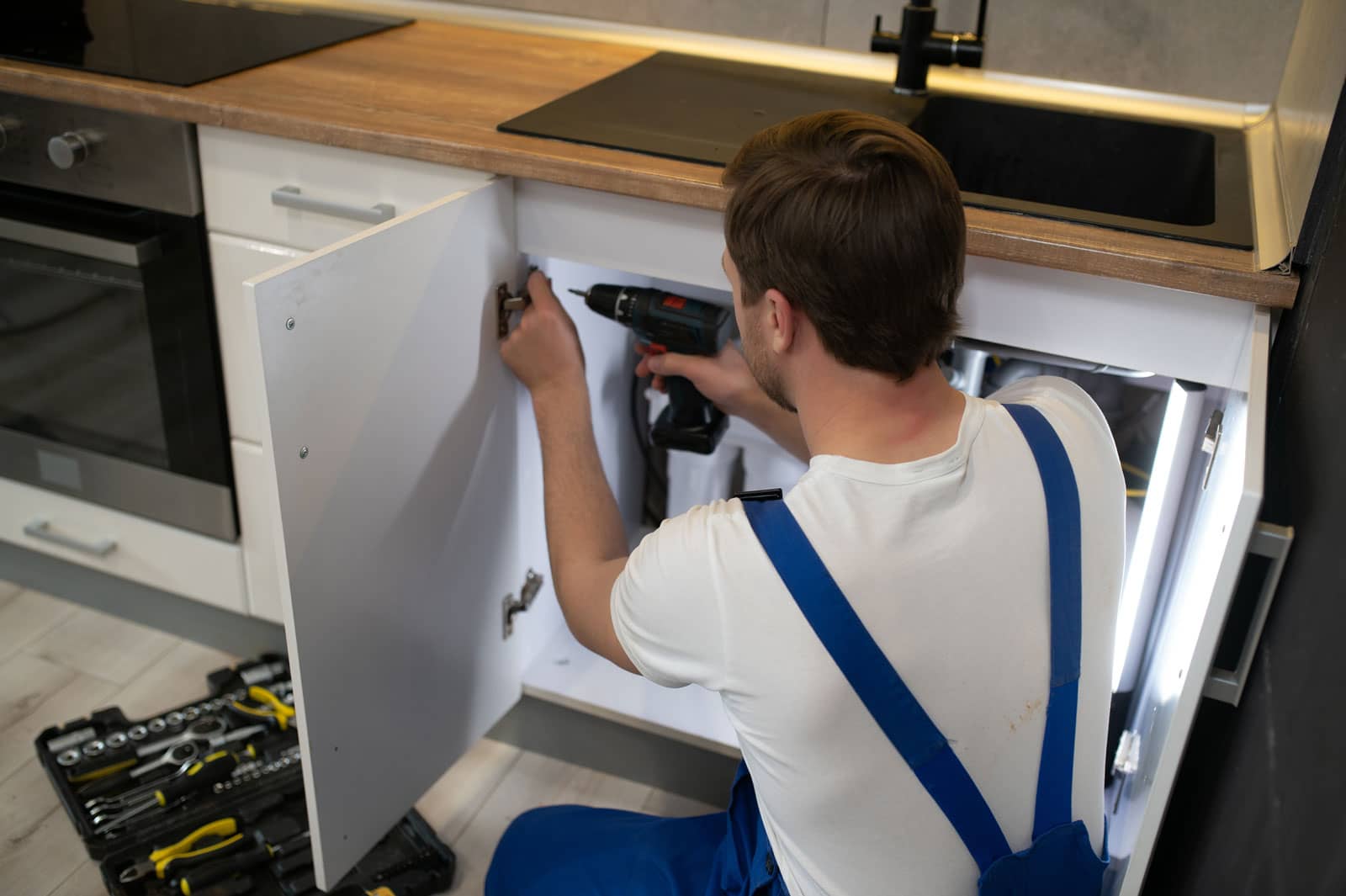
Cabinet refacing is the process of replacing the visible exterior surfaces of your cabinets while keeping the existing cabinet boxes (the structural frames) in place. During a refacing project, the cabinet professional removes your old doors and drawer fronts and replaces them with brand-new ones. The exposed face frames and any visible end panels are then covered with a matching veneer or laminate skin.
In short, refacing gives you:
- Brand-new cabinet doors and drawer fronts
- New veneer or laminate over the existing face frames
- New hardware (hinges, pulls, knobs)
- The same cabinet boxes, layout, and internal structure
The result is essentially a brand-new-looking kitchen, with the option to change the door style, color, and material entirely, all without tearing out the existing cabinetry.
What Is Cabinet Painting?
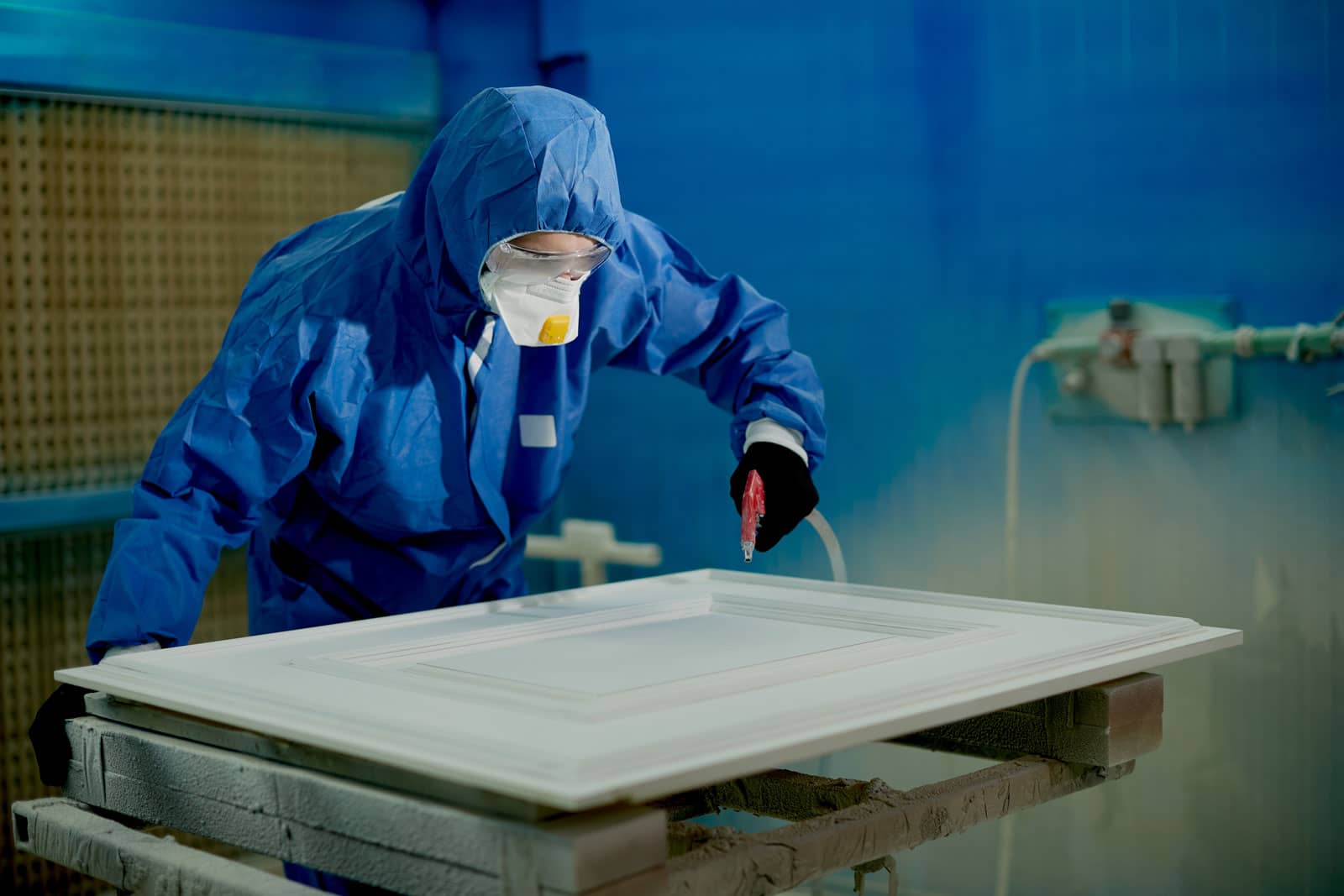
Cabinet painting, on the other hand, keeps your existing doors, drawer fronts, and boxes entirely, and transforms them with a fresh coat of paint. A professional cabinet painting project involves thoroughly cleaning, sanding, priming, and applying multiple coats of specialized cabinet-grade paint to all visible surfaces. When done correctly by an experienced professional, painted cabinets can look remarkably close to factory-finished.
Cabinet painting gives you:
- The same doors, drawer fronts, and boxes
- A completely new color
- The option for new hardware
- A refreshed look at the lowest cost of the three update methods
Now that we understand both processes, let’s examine the kitchen cabinet refacing vs painting question across the factors that matter most.
Kitchen Cabinet Refacing vs Painting: Cost Comparison
For most homeowners, cost is the deciding factor in the kitchen cabinet refacing vs painting decision, so let’s start there.
How Much Does Cabinet Painting Cost?
Professional cabinet painting is the more affordable of the two options. For an average-sized kitchen, professional cabinet painting typically ranges from $1,500 to $5,000, depending on the number of cabinets, the complexity of the doors, and your geographic location. DIY cabinet painting can cost significantly less, often $300 to $800 in materials, but the results are highly dependent on your skill, patience, and equipment.
The relatively low cost of painting makes it an attractive option for budget-conscious homeowners or those updating a kitchen they don’t plan to keep long-term.
How Much Does Cabinet Refacing Cost?
Cabinet refacing sits in the middle of the cost spectrum, more expensive than painting but considerably cheaper than full replacement. For an average kitchen, refacing typically ranges from $4,000 to $12,000, depending on the materials chosen (laminate vs. real wood veneer), the number of cabinets, and the complexity of the project.
To put this in context, full cabinet replacement for the same kitchen often runs $12,000 to $40,000 or more. So while refacing costs more than painting, it delivers a more complete transformation while still saving substantially compared to replacement.
Cost Summary at a Glance
Update Method | Typical Cost Range | What You Get |
Cabinet Painting | $1,500–$5,000 | New color, same doors and boxes |
Cabinet Refacing | $4,000–$12,000 | New doors, drawer fronts, veneer; same boxes |
Full Replacement | $12,000–$40,000+ | Entirely new cabinets, optional layout change |
When weighing kitchen cabinet refacing vs painting on cost alone, painting wins. But cost is only one piece of the puzzle, and the cheapest option isn’t always the most cost-effective in the long run.
Kitchen Cabinet Refacing vs Painting: Durability and Longevity
A common mistake homeowners make is focusing solely on upfront cost without considering how long each option will last. Durability significantly affects the true value of your investment.
How Long Does Painted Cabinetry Last?
When done by a skilled professional using high-quality, cabinet-specific products, painted cabinets can last 8 to 15 years before needing a refresh. However, painted finishes are more vulnerable to chipping, peeling, and wear, particularly around frequently touched areas like handles, edges, and the cabinets near the stove and sink.
The longevity of a painted finish depends heavily on three things:
- Surface preparation: Proper cleaning, sanding, and priming are non-negotiable. Skipping these steps is the number one cause of premature paint failure.
- Product quality: Cabinet-grade enamels and primers dramatically outperform standard wall paint.
- Application method: Sprayed finishes are smoother and more durable than brushed or rolled finishes.
This is precisely why professional cabinet painting outperforms DIY attempts so dramatically, the prep work and application technique make all the difference.
How Long Does Refaced Cabinetry Last?
Refaced cabinets, with their brand-new doors and fresh veneer surfaces, typically last 15 to 25 years or more. Because refacing introduces entirely new surface materials, rather than coating existing ones, there’s no underlying old finish that can fail and cause peeling or chipping. The new doors and drawer fronts are factory-finished, which is inherently more durable than any field-applied paint.
In the kitchen cabinet refacing vs painting durability comparison, refacing is the clear winner. If long-term durability is your priority, refacing offers a finish that holds up better to the daily wear and tear of a busy kitchen.
Kitchen Cabinet Refacing vs Painting: Design Flexibility
Your design goals play a major role in determining whether refacing or painting is right for you.
Design Options With Cabinet Painting
Cabinet painting offers excellent flexibility when it comes to color, you can choose virtually any shade, from crisp whites to bold navies to trendy sage greens. However, painting has one significant limitation: it cannot change the style or profile of your existing doors. If your cabinets have a dated raised-panel or ornate profile that you’ve grown to dislike, painting them a new color won’t change that fundamental shape.
Painting is the ideal choice when:
- You like your current door style but want a different color
- Your cabinets have clean, classic lines that still look current
- You’re aiming for a quick, budget-friendly refresh
Design Options With Cabinet Refacing
Cabinet refacing offers far greater design flexibility because you’re installing entirely new doors and drawer fronts. This means you can completely change:
- Door style, from raised-panel to shaker, slab, or beadboard
- Material, solid wood, wood veneer, thermofoil, or laminate
- Color and finish, any color, plus the option of natural wood grain
- Hardware, new hinges, pulls, and knobs
If you want to modernize an outdated door profile, say, switching from a 1990s raised-panel oak to a clean, contemporary shaker style, refacing is the only one of these two options that can deliver that transformation. In the kitchen cabinet refacing vs painting comparison, refacing wins decisively on design flexibility.
Mars Brothers Kitchen & Bath Insight: The single most common reason our clients choose refacing over painting is door style. If you love your cabinet layout but hate the dated profile of your doors, no amount of paint will fix that. Refacing lets you keep the layout you love while completely modernizing the look.

Kitchen Cabinet Refacing vs Painting: Timeline and Disruption
Kitchen renovations are notoriously disruptive, and the length of the project matters when you’re living without a fully functional kitchen.
How Long Does Cabinet Painting Take?
Professional cabinet painting typically takes 3 to 7 days, depending on the size of the kitchen and the number of coats required. The process involves removing doors and hardware, cleaning, sanding, priming, painting multiple coats, allowing adequate drying time between coats, and reinstalling. DIY painting often stretches much longer, sometimes two to three weeks, because of the learning curve and drying time between steps.
During painting, your kitchen is partially usable, though the disruption (and paint fumes) can be significant.
How Long Does Cabinet Refacing Take?
Cabinet refacing is surprisingly efficient given the scope of transformation. A professional refacing project typically takes 2 to 5 days. Because the cabinet boxes stay in place and the new components are pre-finished, there’s no waiting for paint to cure between coats. Most of the work happens on-site with minimal demolition, which keeps the mess and disruption relatively contained.
In the kitchen cabinet refacing vs painting timeline comparison, refacing is often faster than a thorough professional paint job, a fact that surprises many homeowners.
Kitchen Cabinet Refacing vs Painting: Environmental Considerations
Sustainability is an increasingly important factor for many homeowners. Both refacing and painting are more environmentally friendly than full cabinet replacement, which sends old cabinetry to the landfill.
According to the U.S. Environmental Protection Agency (EPA), construction and demolition debris, including discarded cabinetry, accounts for a substantial portion of waste generated in the United States. Both refacing and painting reduce this waste by preserving the existing cabinet boxes rather than tearing them out.
Between the two options:
- Painting generates the least waste, since nothing is discarded except old hardware (and you keep that if you choose). The main environmental concern is paint VOCs (volatile organic compounds), which can be minimized by choosing low-VOC or zero-VOC products.
- Refacing generates more waste than painting (old doors and drawer fronts are discarded) but far less than full replacement (the boxes are preserved).
If minimizing environmental impact is a priority and your existing door style is acceptable, painting with low-VOC products is the greenest choice. If you need new doors anyway, refacing is still dramatically more sustainable than replacement.
When to Choose Cabinet Painting
Now that we’ve compared kitchen cabinet refacing vs painting across the key factors, let’s get practical. Cabinet painting is the right choice when:
- Your cabinet boxes and doors are in good structural condition. Painting only refreshes the surface, it can’t fix warped doors, broken hinges, or water-damaged boxes.
- You like your current door style. If the profile and lines of your existing doors still appeal to you, painting is a cost-effective way to update the color.
- You’re working with a tight budget. Painting is the most affordable professional cabinet update available.
- You’re updating a home you plan to sell soon. A fresh paint job offers excellent visual impact for minimal investment, boosting buyer appeal without a major outlay.
- You want a specific trendy color. Painting gives you near-unlimited color flexibility.
Signs Your Cabinets Are Good Candidates for Painting
- Solid wood or MDF doors (these take paint beautifully)
- No significant water damage, warping, or delamination
- Door style you’re happy to keep
- Structurally sound boxes and functioning hinges

When to Choose Cabinet Refacing
Cabinet refacing is the better choice when:
- You want to change your door style. Refacing is the only option (short of replacement) that lets you modernize the actual profile and shape of your doors.
- Your existing doors are damaged or worn. If your doors are warped, chipped, or delaminating, painting them won’t help, but refacing replaces them entirely.
- You want a natural wood look. Painting covers wood grain; refacing lets you install real wood veneer doors with visible grain.
- You want a longer-lasting result. Refaced cabinets generally outlast painted ones.
- Your cabinet boxes are solid but the fronts are dated. This is the ideal refacing scenario, you preserve the structure and layout while completely transforming the appearance.
Signs Your Cabinets Are Good Candidates for Refacing
- Structurally sound, square cabinet boxes
- A layout you’re happy with (refacing can’t change the layout)
- Dated or damaged doors and drawer fronts
- A desire for a more comprehensive transformation than paint can provide
Kitchen Cabinet Refacing vs Painting: The Resale Value Question
Many homeowners ask how each option affects home value, and it’s a smart question to consider, especially if you might sell within a few years.
According to research from the National Association of Realtors (NAR), kitchen upgrades consistently rank among the most appealing features to prospective home buyers and among the projects most likely to add to a home’s marketability. Both refacing and painting can improve buyer appeal, but they serve slightly different scenarios:
- For a quick sale or modest budget: Painting offers strong visual impact for minimal cost, which can improve listing photos and buyer first impressions without a major investment.
- For maximizing perceived value or staying long-term: Refacing delivers a more substantial, durable transformation that reads as a higher-end update to buyers and serves you well if you stay in the home for years.
Neither option will recoup as much resale value as making your kitchen genuinely more functional, but both are far more cost-efficient routes to a refreshed kitchen than full replacement.
Common Mistakes to Avoid in the Kitchen Cabinet Refacing vs Painting Decision
After years of guiding homeowners through this decision, we’ve seen the same avoidable mistakes come up again and again. Here’s what to watch out for:
- Painting over structural problems. Paint is cosmetic. If your boxes are water-damaged or your doors are warped, painting only masks problems that will resurface. In these cases, refacing or replacement is the smarter path.
- Choosing DIY painting to save money, then redoing it professionally. Poorly prepped DIY paint jobs frequently fail within a year or two, costing more in the long run than hiring a pro the first time.
- Refacing cabinets with a bad layout. Refacing keeps your existing layout. If your kitchen’s layout is the real problem, no amount of new doors will fix it, you may need replacement and reconfiguration.
- Ignoring the door material. Some thermofoil and low-grade laminate doors don’t take paint well. Know what your cabinets are made of before committing to painting.
- Underestimating prep time and skill for painting. A quality paint finish is 80% preparation. The actual painting is the easy part.
Pro Tip from Mars Brothers Kitchen & Bath: Before deciding between kitchen cabinet refacing vs painting, have a professional assess the structural condition of your cabinet boxes and the material of your doors. This single step prevents the most expensive mistakes homeowners make, and it’s exactly what we do during every free consultation.
How to Make the Final Decision
When clients come to us torn between kitchen cabinet refacing vs painting, we walk them through a simple decision framework. Ask yourself these questions:
- Are my cabinet boxes structurally sound? If no → consider replacement. If yes → continue.
- Do I like my current door style? If yes → painting may be ideal. If no → refacing is likely your answer.
- What’s my budget? Tighter budget → painting. Moderate budget with bigger goals → refacing.
- How long will I stay in this home? Short-term → painting offers great value. Long-term → refacing’s durability pays off.
- Do I want a natural wood look? If yes → refacing (painting covers grain).
If your answers point clearly in one direction, you have your answer. If they’re mixed, a professional consultation can help you weigh the trade-offs against your specific kitchen and goals.
Why Professional Execution Matters for Both Options
Whether you choose refacing or painting, the quality of the execution makes an enormous difference in the result and longevity. This is one area where the kitchen cabinet refacing vs painting debate becomes moot, both demand expertise to do well.
Professional cabinet painters bring specialized spray equipment, proper ventilation, cabinet-grade products, and the surface-preparation discipline that determines whether a finish lasts two years or fifteen. Professional refacing specialists bring precise measuring, quality veneer application, and proper door alignment that DIY attempts almost never match.
At Mars Brothers Kitchen & Bath, we offer both cabinet refacing and professional cabinet painting, which means our recommendations are never biased toward one method. We assess your specific situation and recommend the option that genuinely serves your kitchen, your budget, and your goals, not the one that’s easiest for us to sell. That’s the foundation of the trust we’ve built with homeowners across our service area.
Frequently Asked Questions About Kitchen Cabinet Refacing vs Painting
1. Is cabinet refacing or painting cheaper?
Cabinet painting is the cheaper of the two options. Professional cabinet painting typically costs between $1,500 and $5,000 for an average kitchen, while cabinet refacing usually ranges from $4,000 to $12,000. Both are significantly less expensive than full cabinet replacement, which can run $12,000 to $40,000 or more. However, when weighing kitchen cabinet refacing vs painting on cost, it’s important to factor in durability and design goals, the cheaper option isn’t always the most cost-effective in the long run. Painting that fails prematurely (often due to poor DIY prep work) can end up costing more than refacing would have.
2. Which lasts longer, refaced or painted cabinets?
Refaced cabinets generally last longer than painted cabinets. Professionally refaced cabinets typically last 15 to 25 years or more, because the new doors and drawer fronts are factory-finished and there’s no old underlying finish that can fail. Professionally painted cabinets typically last 8 to 15 years before needing a refresh, and they’re more vulnerable to chipping and peeling around high-use areas like handles and edges. If long-term durability is your top priority in the kitchen cabinet refacing vs painting decision, refacing is the more durable choice. That said, a high-quality professional paint job using cabinet-grade products and proper preparation can still deliver many years of beautiful service.
3. Can I change my cabinet door style by painting?
No, painting cannot change your cabinet door style. Painting only changes the color of your existing doors; it cannot alter their profile, shape, or design. If you have dated raised-panel doors and want a clean, modern shaker look, painting them won’t achieve that transformation. To change your door style, you’ll need either refacing (which replaces the doors and drawer fronts entirely while keeping the boxes) or full cabinet replacement. This is one of the most important distinctions in the kitchen cabinet refacing vs painting decision: if your goal is a new door style, refacing is your answer, not painting.
4. How do I know if my cabinets are good candidates for painting?
Your cabinets are good candidates for painting if they meet a few key criteria: the cabinet boxes are structurally sound (no water damage, warping, or delamination), the doors are made of paint-friendly materials like solid wood or MDF (some thermofoil and low-grade laminate doors don’t take paint well), the door style is one you’re happy to keep, and the hinges and hardware are in good working order. If your doors are warped, chipped, delaminating, or in a style you dislike, painting won’t solve those issues, refacing or replacement would be more appropriate. A professional assessment, like the free consultations offered by Mars Brothers Kitchen & Bath, is the best way to determine whether your cabinets are suitable for painting.
5. Is cabinet refacing worth it compared to replacement?
For many homeowners, cabinet refacing is absolutely worth it compared to full replacement, especially when the existing cabinet boxes are structurally sound and the kitchen layout works well. Refacing typically costs 30% to 50% less than full replacement while delivering a comparable visual transformation, including new doors, drawer fronts, veneer, and hardware. It’s also faster (usually 2 to 5 days versus weeks for replacement) and far less disruptive. Refacing makes the most sense when you’re happy with your kitchen’s layout but want to update its appearance and door style. However, if your layout needs to change, your boxes are damaged, or you want premium custom features, full replacement may be the better investment. In the broader kitchen cabinet refacing vs painting vs replacement discussion, refacing occupies a valuable middle ground, more transformative than painting, more affordable than replacement.
Conclusion: Kitchen Cabinet Refacing vs Painting, The Bottom Line
So, kitchen cabinet refacing vs painting, which is right for you? Here’s the bottom line:
Choose painting if your cabinet boxes and doors are in good shape, you like your current door style, you’re working with a tighter budget, or you want a quick, cost-effective color refresh.
Choose refacing if you want to change your door style, your existing doors are worn or dated, you want a natural wood look, or you’re prioritizing long-term durability while keeping your existing layout.
Both options can beautifully transform your kitchen at a fraction of the cost of full replacement, and both, when done professionally, deliver results you’ll be proud of for years. The key is matching the method to your specific cabinets, goals, and budget.
If you’re still unsure which path is right for your kitchen, the best next step is a professional assessment. At Mars Brothers Kitchen & Bath, we’ll evaluate your cabinets, listen to your goals, and give you an honest, expert recommendation, with no pressure.
Ready to transform your kitchen? Contact Mars Brothers Kitchen & Bath today to schedule your free consultation and find out whether refacing or painting is right for you.